Blog


Forster Museum für Textil- und Industriegeschichte Lausitz

0 Bewertungen 0 von 5 (0)
0
0
0
0
0
Wie hat dir der Aufenthalt gefallen? Du hast deinen Aufenthalt schon bewertet.
ab €
Verfügbarkeit & Preis anzeigen

p.P. = pro Person, p.P./N = pro Person / Nacht, p.E./N = pro Einheit/ Nacht, EZ = Einzelzimmer, DZ = Doppelzimmer, FeWo = Ferienwohnung oder -haus, App. = Appartement, Suite = Suite, FR = Frühstück, HP = Halbpension, VP = VollPension
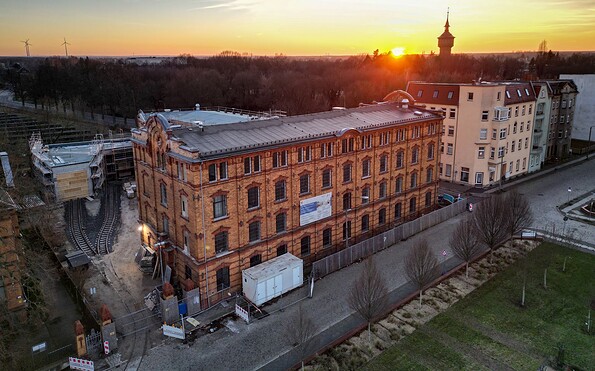
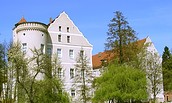
Forst as a thriving industrial town? The museum in the former cloth factory “Daniel Noack” tells the incredible true story of the German Manchester.
aufklappeneinklappen
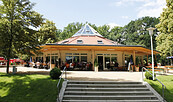
  • Forster. Museum für Textil- und Industriegeschichte Lausitz, Foto: Frank Junge
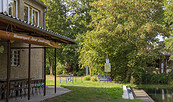
  • Forster. Museum für Textil- und Industriegeschichte Lausitz, Foto: Frank Junge
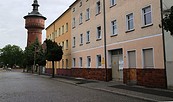
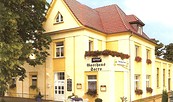
  • Forster. Museum für Textil- und Industriegeschichte Lausitz, Foto: Frank Junge
Did you know that Forst was the hub of the German textile industry in the imperial period? During this time, most families in the small town in the Lausitz region were involved in fabric production in some way. Around the turn of the century, about one third of the around 30,000 residents of Forst used to work in one of the around 100 factories! By the 1920s, there were more than 400 textile companies in Forst. This is why the town was referred to as the German Manchester. This era has long gone, but its memory is kept alive at a museum that is well-worth a visit. 

The history of cloth making in Forst – and the entire Lausitz region – goes back a long way. It was an important economic factor for the town, even in the early 15th century. The final breakthrough was achieved when machine weaving was introduced in the 19th century. Fabric made in Forst was also exported abroad. The town became very rich as a result. Stately homes were built, and an urban railway, too. The town flourished.

Then came the war. And another one. In World War II, the front-line ran right through the town. When the fighting was over, Forst was devastated. The textile industry recovered gradually and as part of the state planned economy, operations continued until the end of the GDR era. This was when the glorious time of the German Manchester was over once and for all.

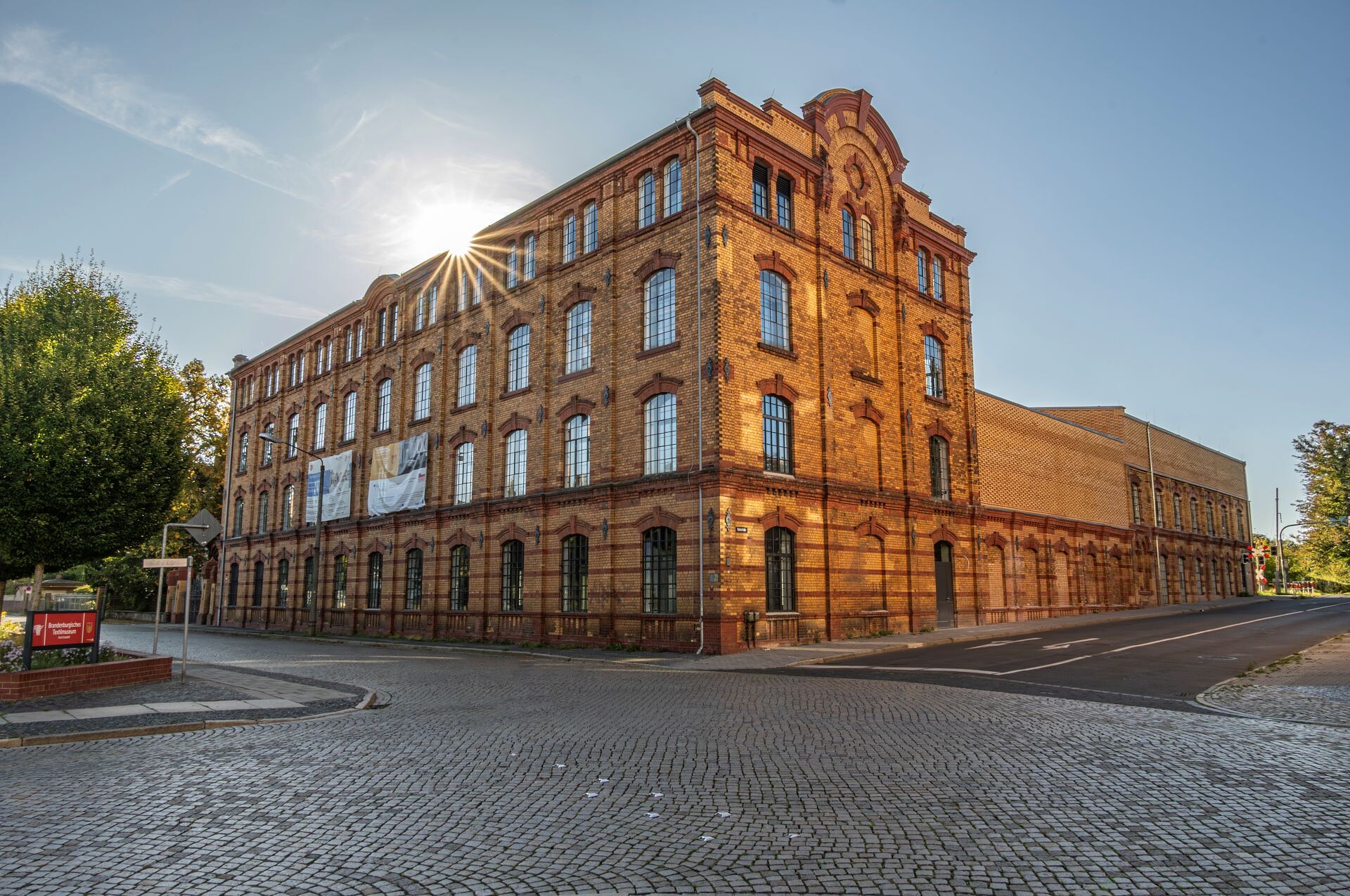
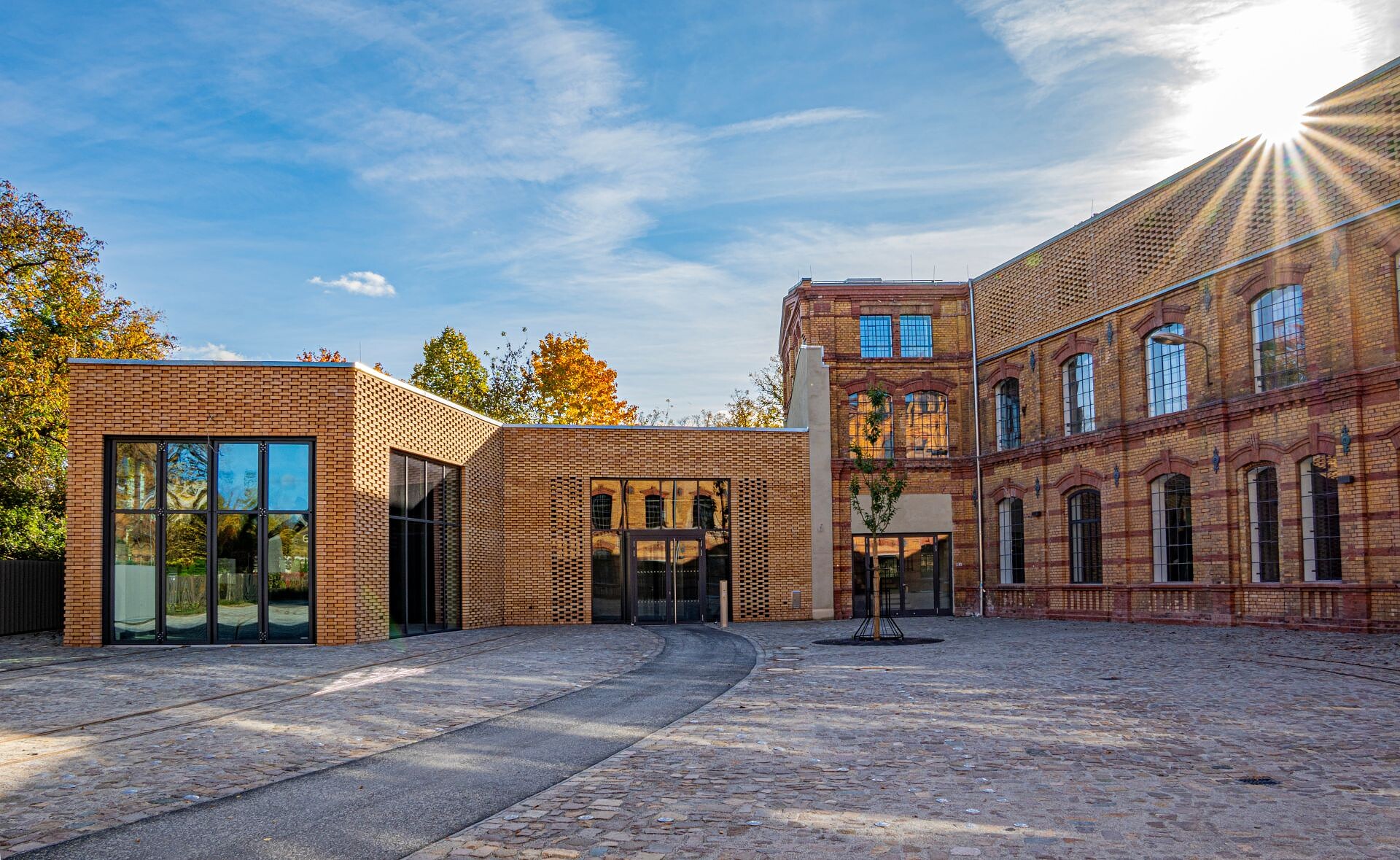
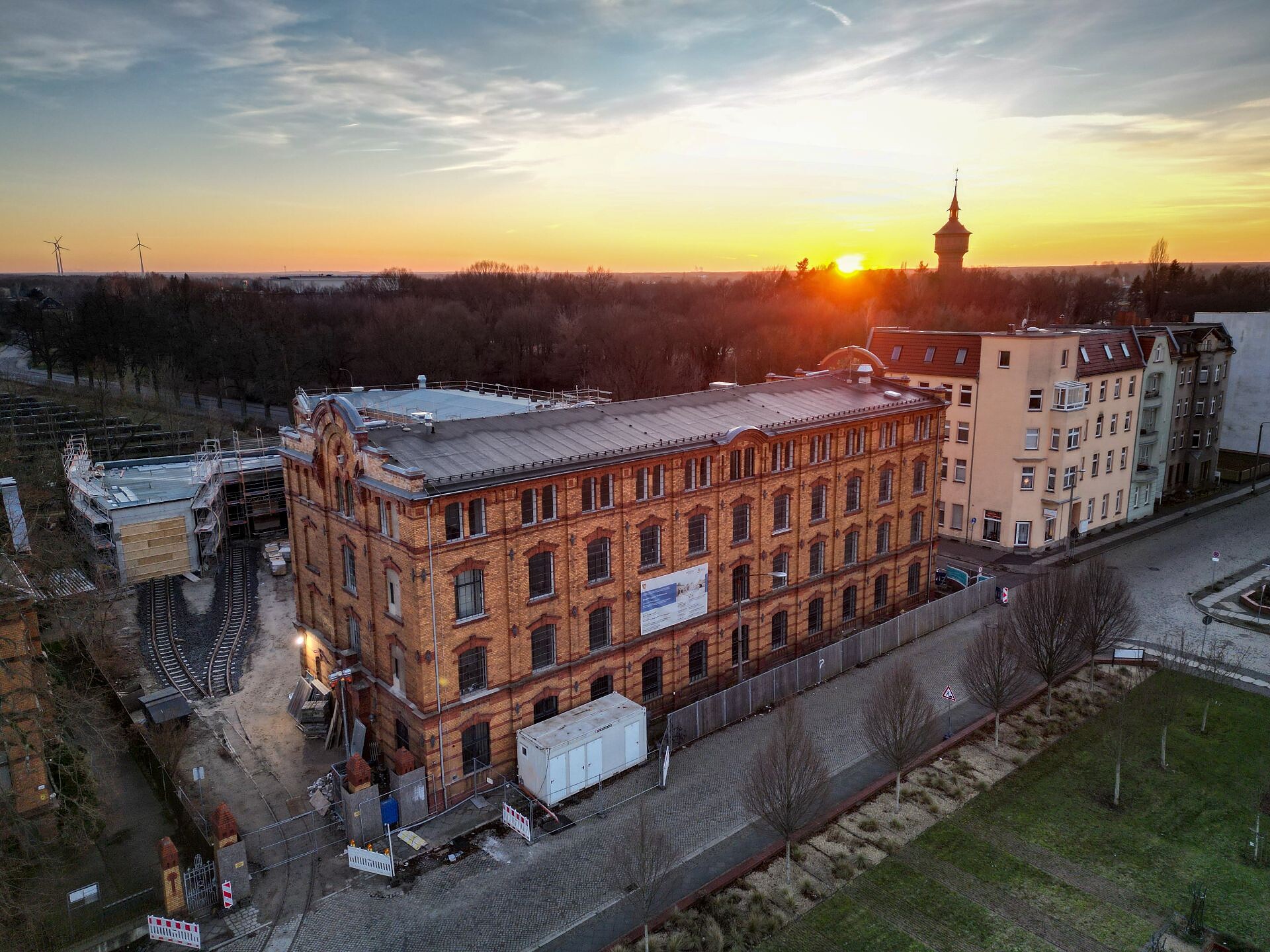
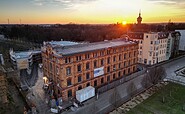
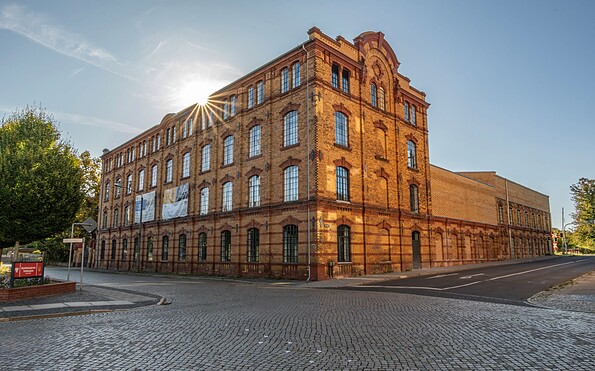
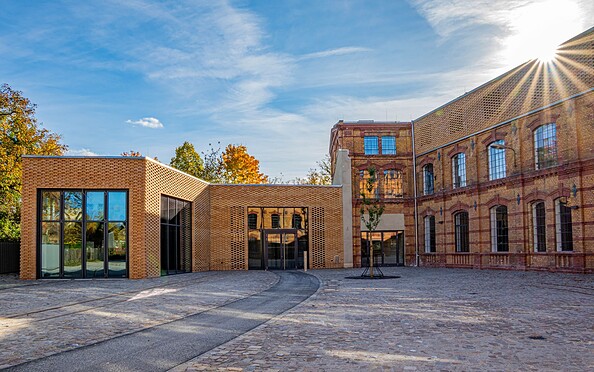
Many of the former cloth factories are preserved to this day. They are architecturally appealing ensembles of production halls, gatehouses and the factory owners’ stately homes. Among these is the factory “Daniel Noack” that was completed in 1897. It is now home to the museum “Brandenburgisches Textilmuseum”.

The permanent exhibition tells the story of the cloth making trade that is linked so closely to the town history of Forst. Craftsmanship and mechanical processes of cloth making are shown in the affiliated presentation workshop, using historic manual tools and functional historic machinery. The museum workshop is among the few places in the Niederlausitz region where weaving looms are still in use almost every day.

Tips: 

Visitors to the museum are provided with a map for a walk dedicated to town and industrial history. The walk will take you to the station of the urban railway, to factory owners’ homes, to the factory association building and the town mill.

The museum is also a great place for school classes to visit. There is a wide range of educational activities. For example about the textile making process or the issue of the transformation from manual to industrial textiles production.

For cyclists:

aufklappeneinklappen
Forst as a thriving industrial town? The museum in the former cloth factory “Daniel Noack” tells the incredible true story of the German Manchester.
aufklappeneinklappen
  • Forster. Museum für Textil- und Industriegeschichte Lausitz, Foto: Frank Junge
  • Forster. Museum für Textil- und Industriegeschichte Lausitz, Foto: Frank Junge
  • Forster. Museum für Textil- und Industriegeschichte Lausitz, Foto: Frank Junge
Did you know that Forst was the hub of the German textile industry in the imperial period? During this time, most families in the small town in the Lausitz region were involved in fabric production in some way. Around the turn of the century, about one third of the around 30,000 residents of Forst used to work in one of the around 100 factories! By the 1920s, there were more than 400 textile companies in Forst. This is why the town was referred to as the German Manchester. This era has long gone, but its memory is kept alive at a museum that is well-worth a visit. 

The history of cloth making in Forst – and the entire Lausitz region – goes back a long way. It was an important economic factor for the town, even in the early 15th century. The final breakthrough was achieved when machine weaving was introduced in the 19th century. Fabric made in Forst was also exported abroad. The town became very rich as a result. Stately homes were built, and an urban railway, too. The town flourished.

Then came the war. And another one. In World War II, the front-line ran right through the town. When the fighting was over, Forst was devastated. The textile industry recovered gradually and as part of the state planned economy, operations continued until the end of the GDR era. This was when the glorious time of the German Manchester was over once and for all.

Many of the former cloth factories are preserved to this day. They are architecturally appealing ensembles of production halls, gatehouses and the factory owners’ stately homes. Among these is the factory “Daniel Noack” that was completed in 1897. It is now home to the museum “Brandenburgisches Textilmuseum”.

The permanent exhibition tells the story of the cloth making trade that is linked so closely to the town history of Forst. Craftsmanship and mechanical processes of cloth making are shown in the affiliated presentation workshop, using historic manual tools and functional historic machinery. The museum workshop is among the few places in the Niederlausitz region where weaving looms are still in use almost every day.

Tips: 

Visitors to the museum are provided with a map for a walk dedicated to town and industrial history. The walk will take you to the station of the urban railway, to factory owners’ homes, to the factory association building and the town mill.

The museum is also a great place for school classes to visit. There is a wide range of educational activities. For example about the textile making process or the issue of the transformation from manual to industrial textiles production.

For cyclists:

aufklappeneinklappen

Komfort-Informationen

Anreiseplaner

Sorauer Straße 37

03149 Forst (Lausitz)

Wetter Heute, 17. 8.

16 17
Leichter Regen

  • Dienstag
    14 20
  • Mittwoch
    14 18

Touristinfo

Tourismusverband Lausitzer Seenland e.V.

Am Stadthafen 2
01968 Senftenberg

Tel.: 03573-725300-0
Fax: 03573-725300-9

Wetter Heute, 17. 8.

16 17
Leichter Regen

  • Dienstag
    14 20
  • Mittwoch
    14 18

Alle Informationen, Zeiten und Preise werden regelmäßig geprüft und aktualisiert. Trotzdem können wir für die Richtigkeit der Daten keine Gewähr übernehmen. Wir empfehlen Ihnen, vor Ihrem Besuch telefonisch / per E-Mail oder über die Internetseiten des Anbieters den aktuellen Stand zu erfragen.

Anruf bei der TMB Urlaubshotline unter 0331-200 47 47 (+49) 0331 2004747 Wir sind telefonisch für dich da: werktags Mo-Fr 9-13 Uhr und am 31.10. 10-13 Uhr.

Vielen Dank für deinen Besuch auf www.reiseland-brandenburg.de

Diese Webseite wurde auf dem technisch aktuellsten Stand entwickelt. Leider benutzt du einen Browser, der nicht den technischen Anforderungen entspricht.

Wir bitten dich daher einen alternativen Browser (z.B. Google Chrome, Firefox oder Edge) zu verwenden und wünschen dir weiterhin viel Spaß auf unserer Webseite.

Logo www.reiseland-brandenburg.de