Blog


Lauchhammer Art Casting Museum

0 Bewertungen 0 von 5 (0)
0
0
0
0
0
Wie hat dir der Aufenthalt gefallen? Du hast deinen Aufenthalt schon bewertet.
ab €
Verfügbarkeit & Preis anzeigen

p.P. = pro Person, p.P./N = pro Person / Nacht, p.E./N = pro Einheit/ Nacht, EZ = Einzelzimmer, DZ = Doppelzimmer, FeWo = Ferienwohnung oder -haus, App. = Appartement, Suite = Suite, FR = Frühstück, HP = Halbpension, VP = VollPension
Lauchhammer was once considered to be a "place of pilgrimage for art technology" and the casters here were thought to be the best in the world. With its beautiful exhibits, the Lauchhammer Art Casting Museum takes visitors into a glorious, little known chapter in the story of the industrial culture of Lausitz.
aufklappeneinklappen
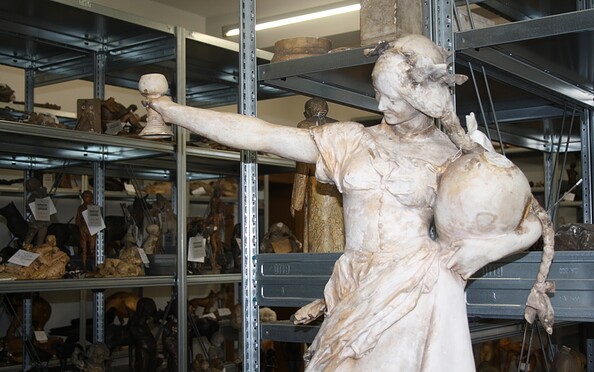
  • Show depot Kunstgussmuseum, Foto:  Stiftung Kunstgussmuseum/Jens Horn, Lizenz: Kunstgussmuseum Lauchhammer
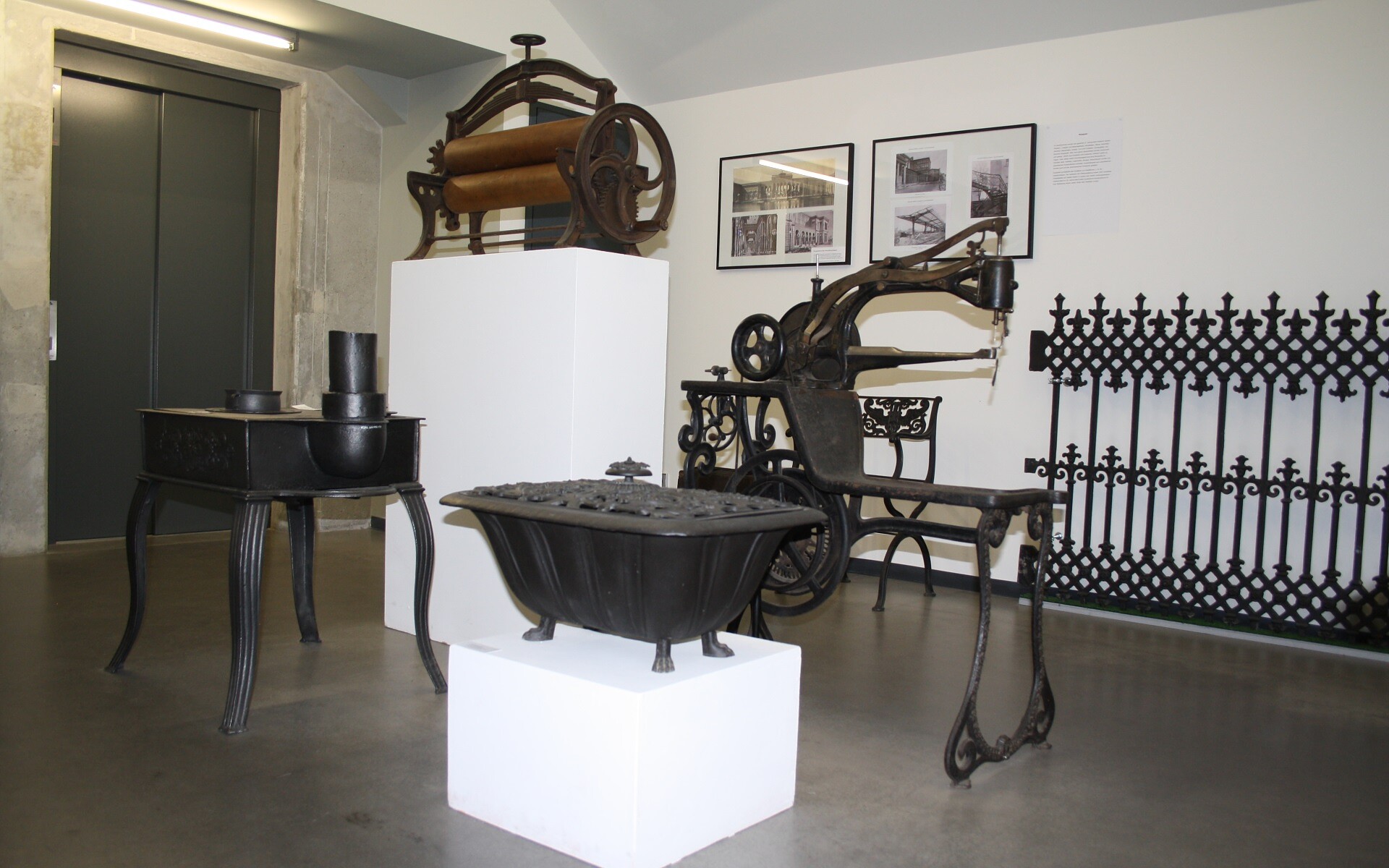
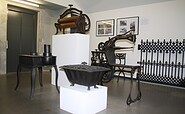
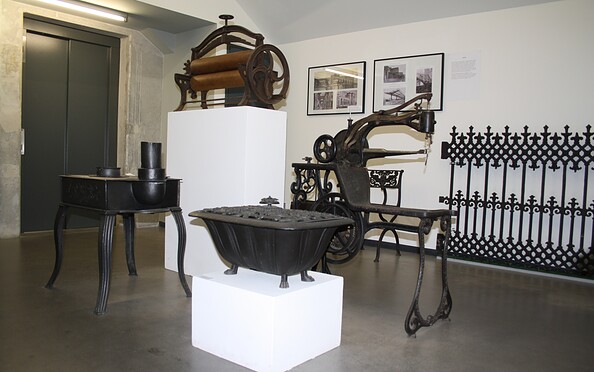
  • View of the construction and utility casting showroom, Foto: Kunstgussmuseum Lauchhammer, Lizenz: Kunstgussmuseum Lauchhammer
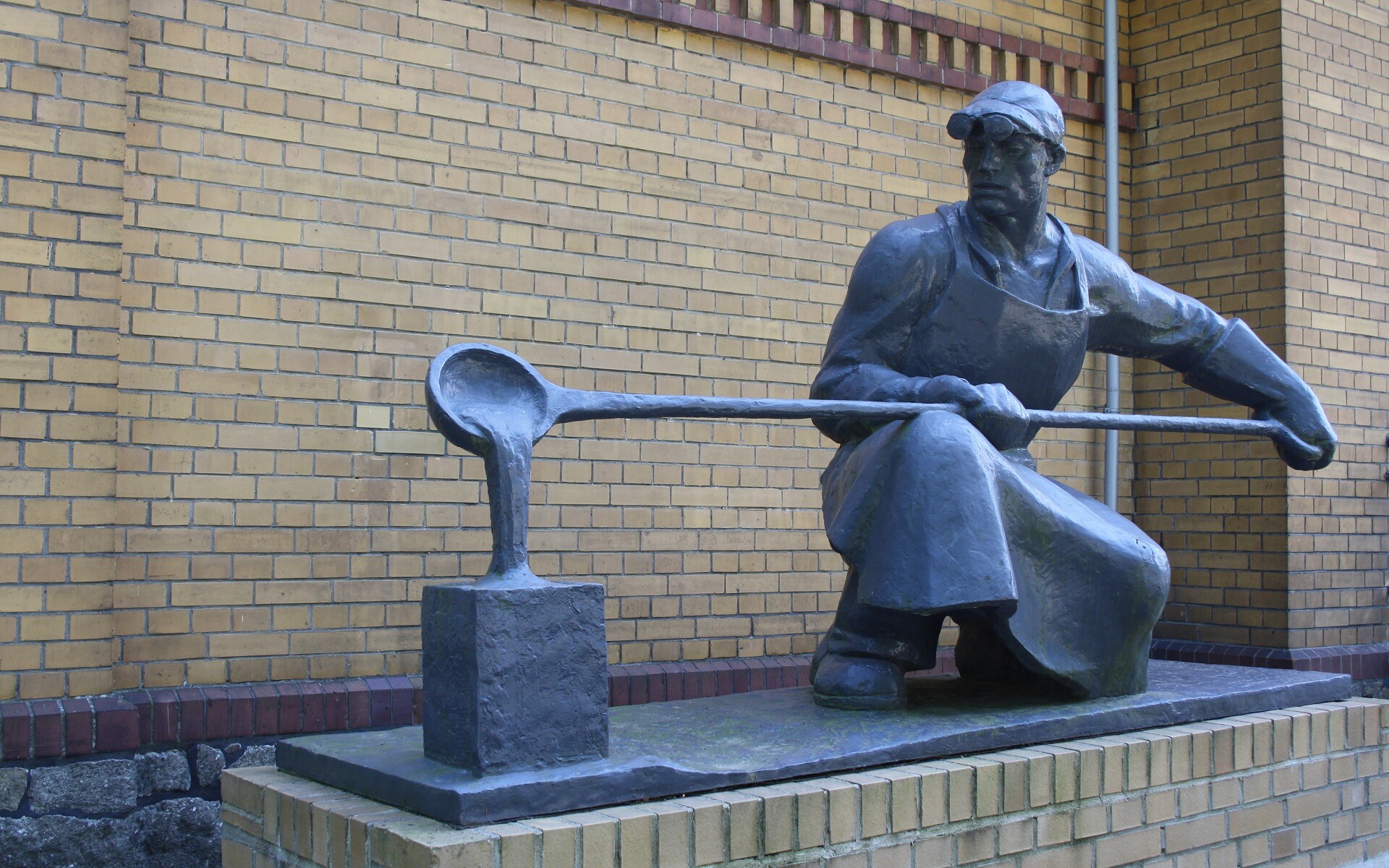
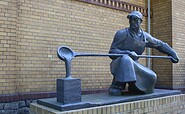
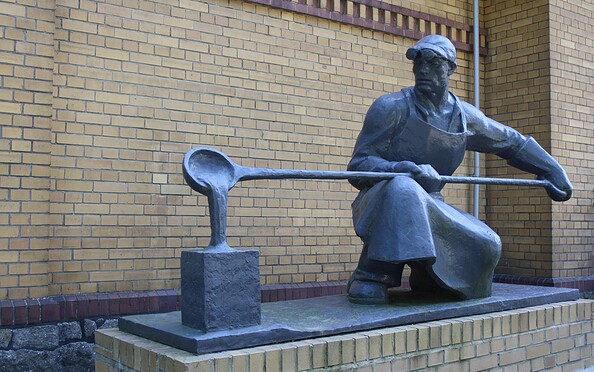
  • Iron casting of a steel caster in front of the museum, sculptor: Reinhold/Löhner, Foto: Kunstgussmuseum Lauchhammer, Lizenz: Kunstgussmuseum Lauchhammer
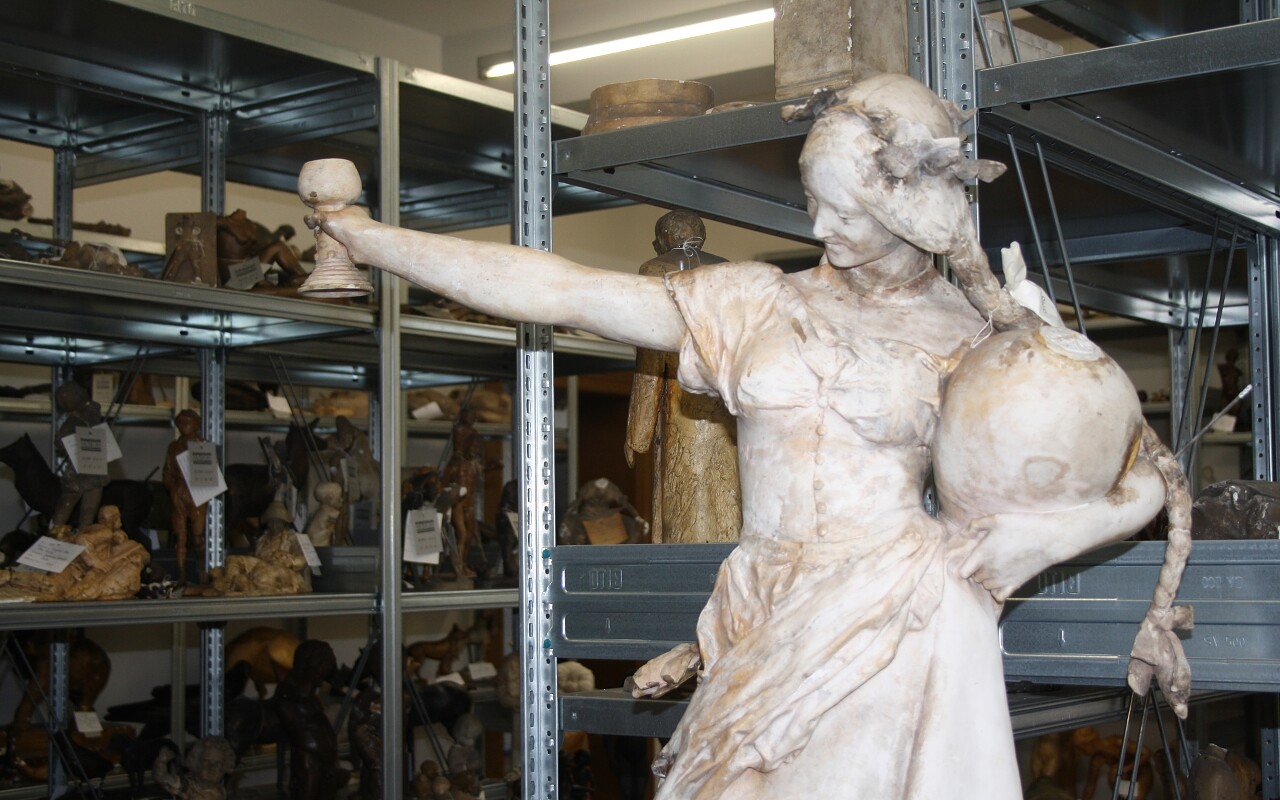
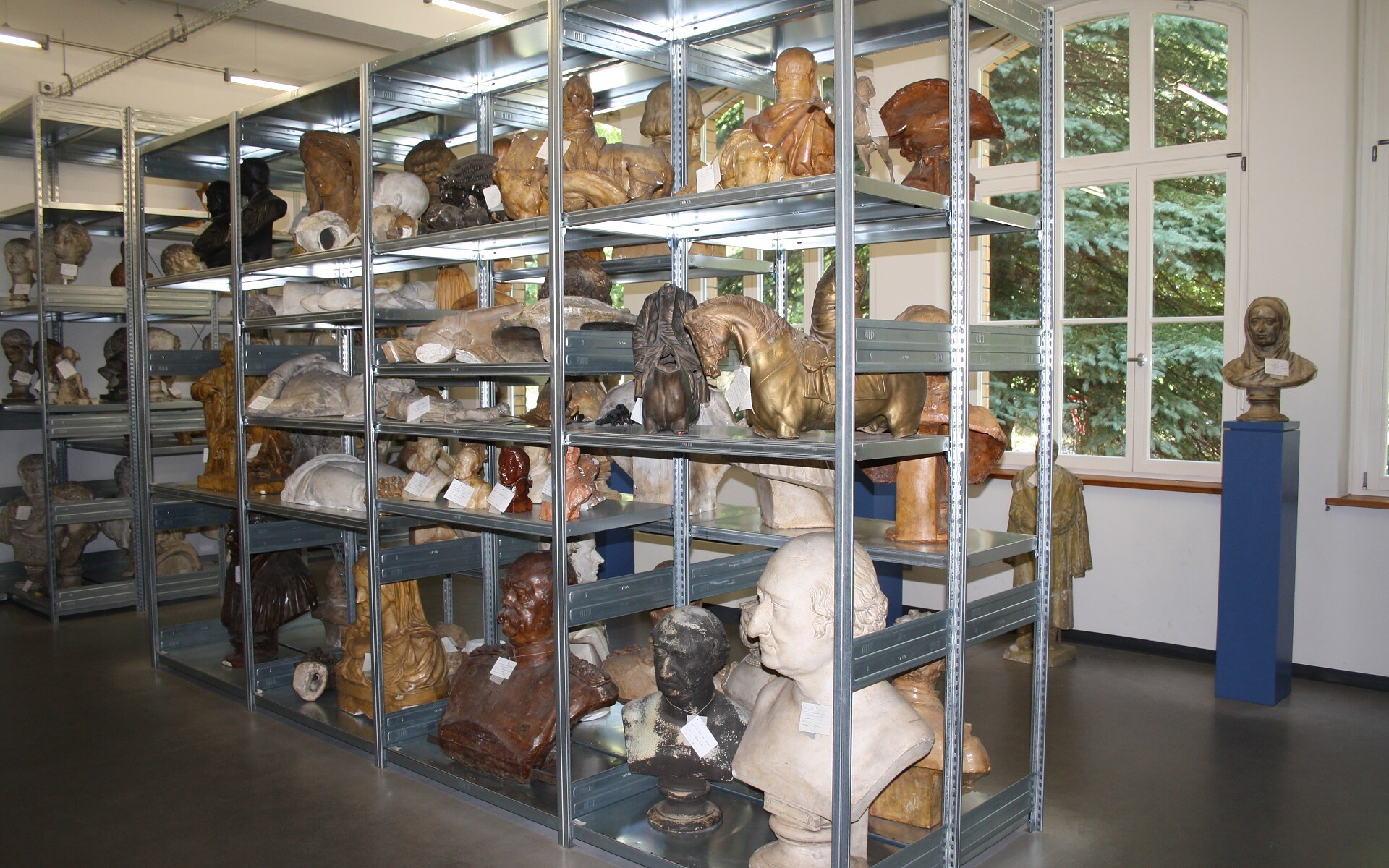
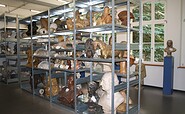
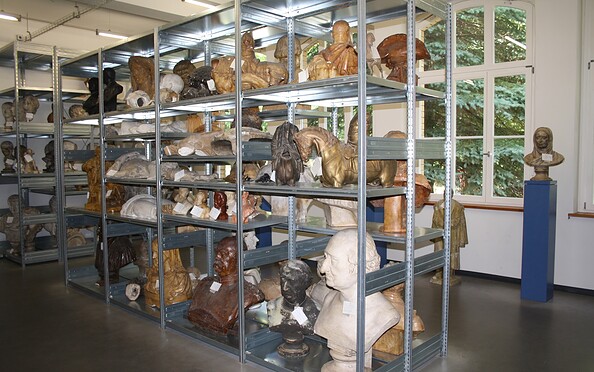
  • View of the listed model collection in the museum, Foto: Kunstgussmuseum Lauchhammer, Lizenz: Kunstgussmuseum Lauchhammer
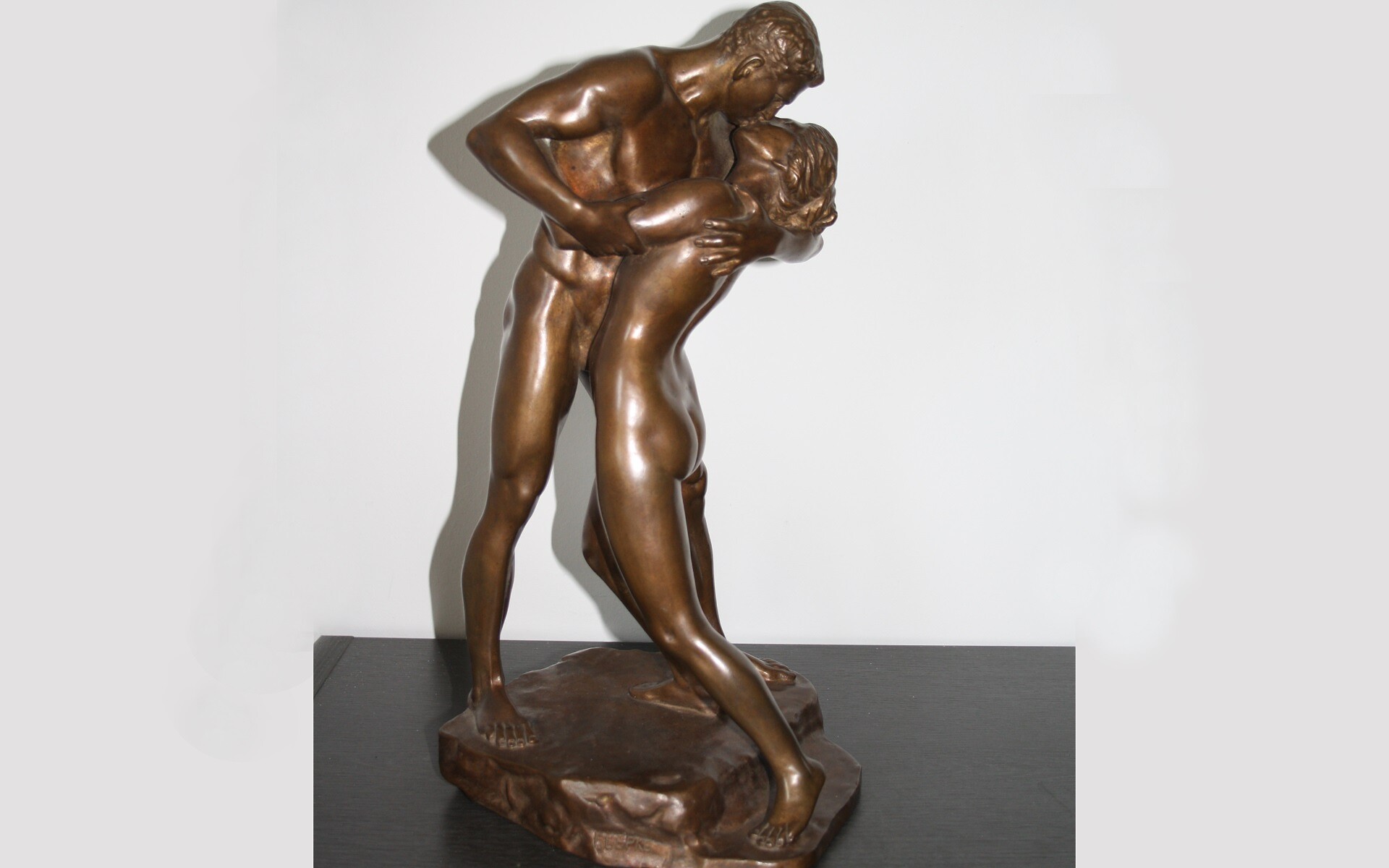
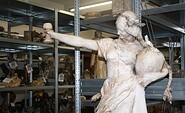
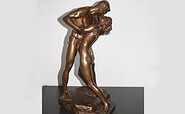
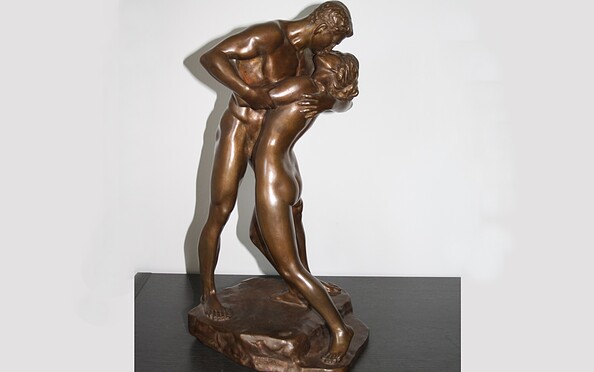
  • Bronze cast of the reunion, sculptor Ferdinand Lepcke, Foto: Kunstgussmuseum Lauchhammer, Lizenz: Kunstgussmuseum Lauchhammer
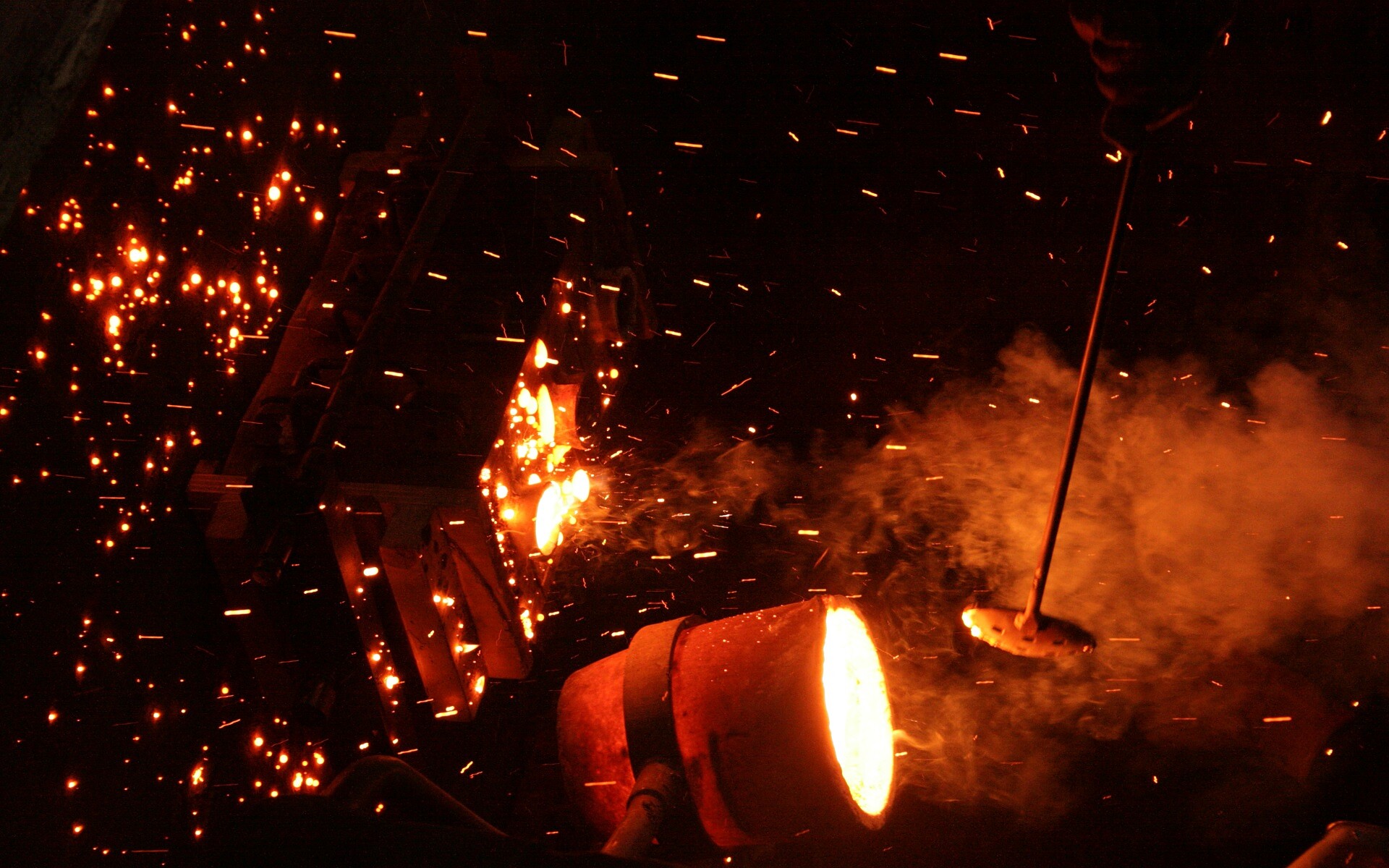
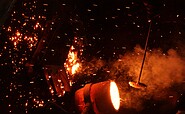
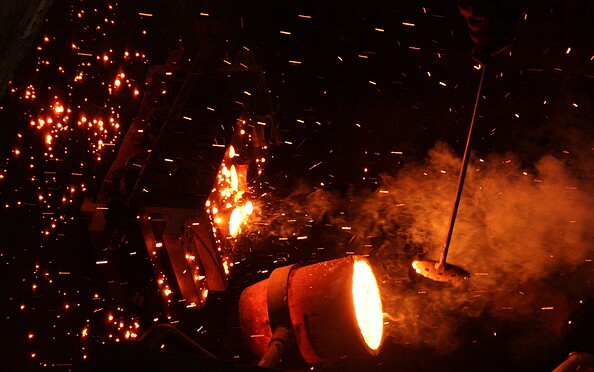
  • Casting demonstration in the Lauchhammer art foundry, Foto: Kunstgussmuseum Lauchhammer, Lizenz: Kunstgussmuseum Lauchhammer
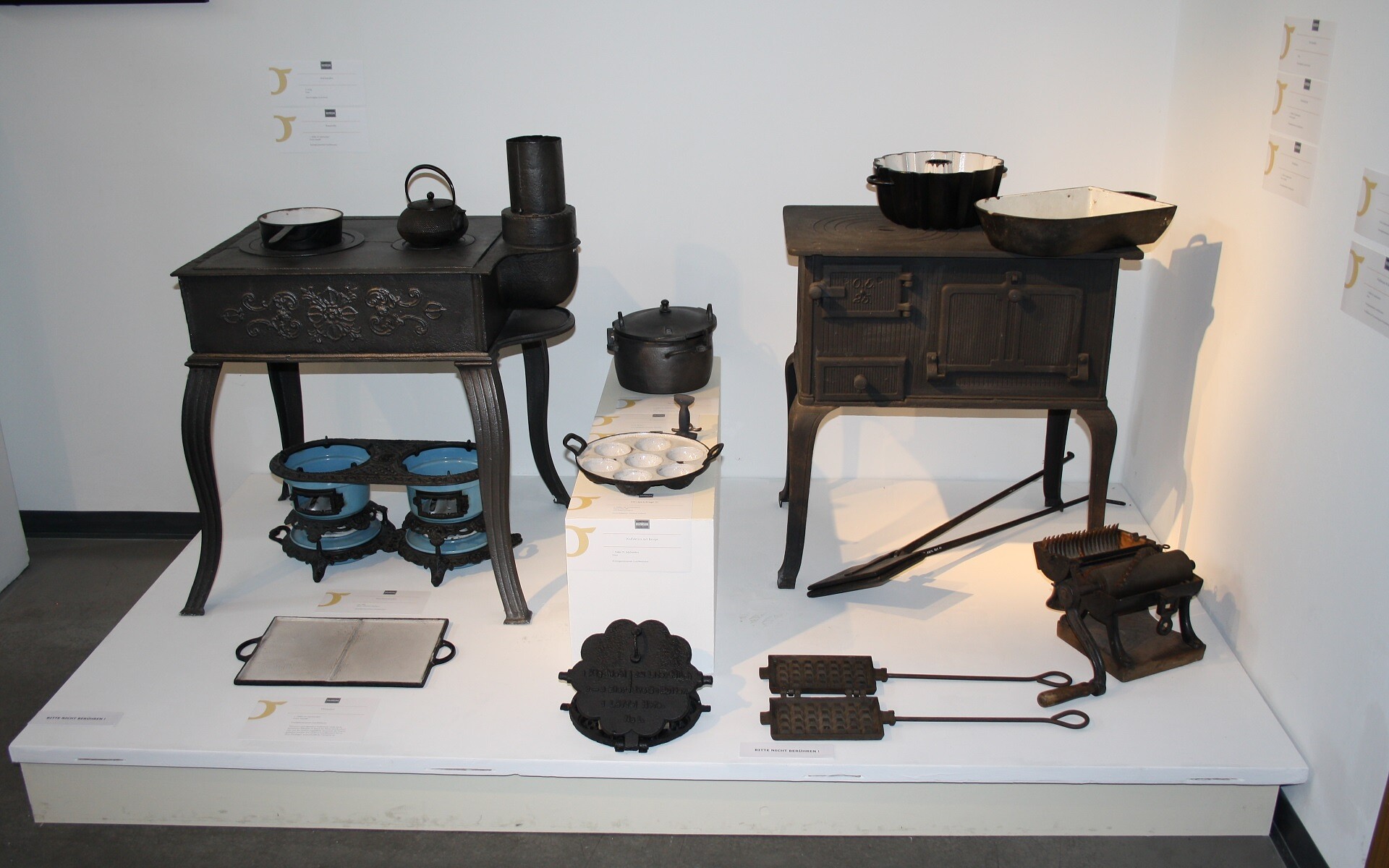
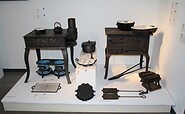
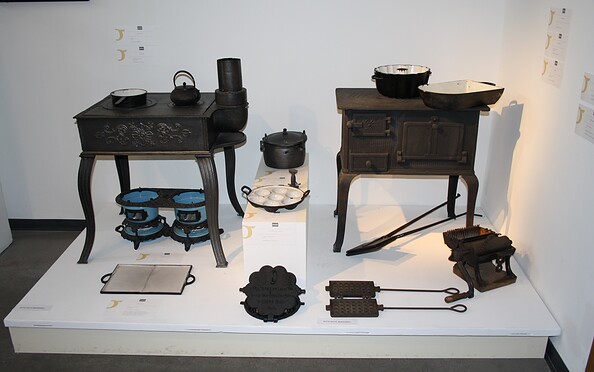
  • Stoves and pots from the Lauchhammer art foundry, Foto: Kunstgussmuseum Lauchhammer, Lizenz: Kunstgussmuseum Lauchhammer
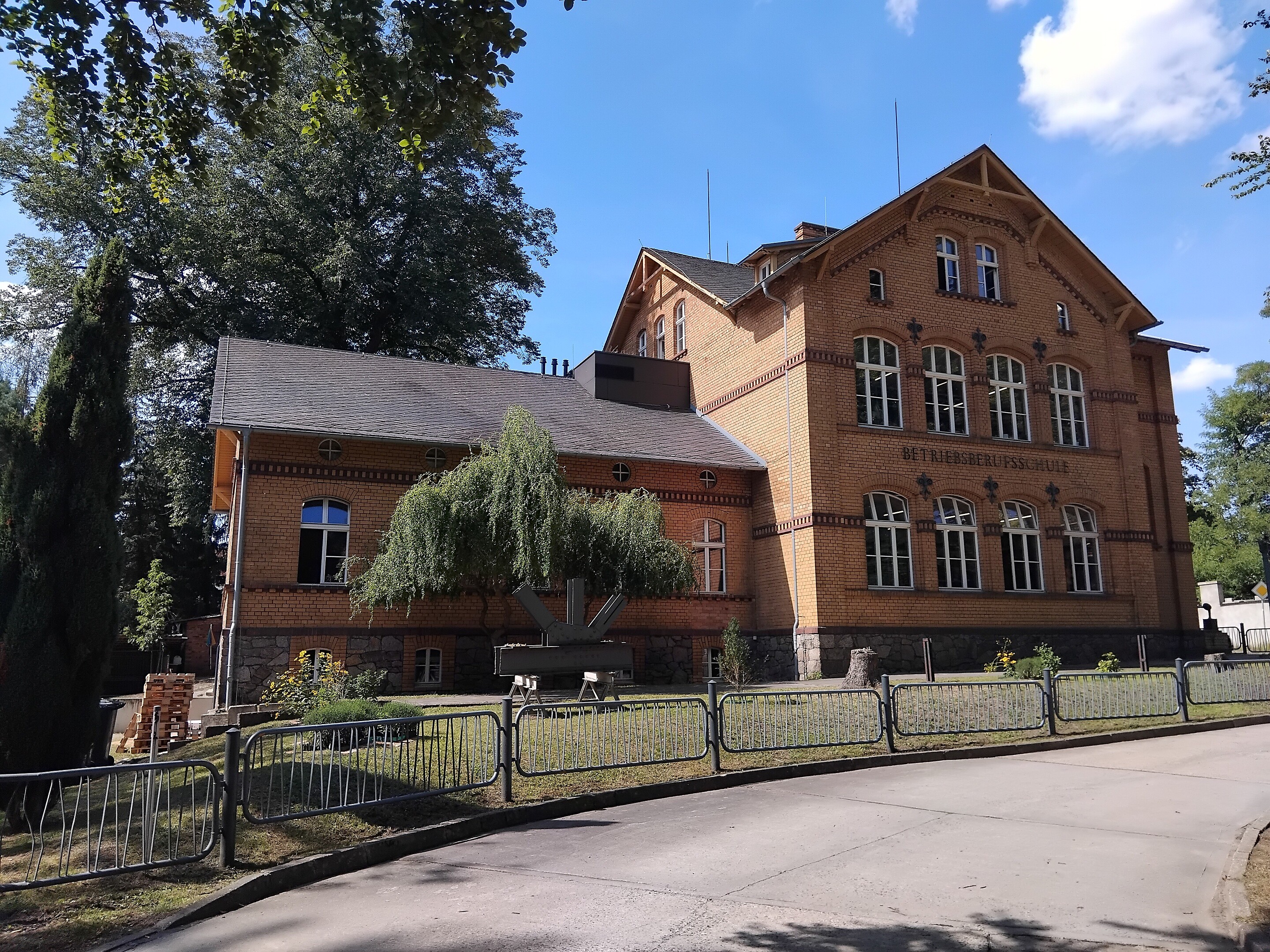
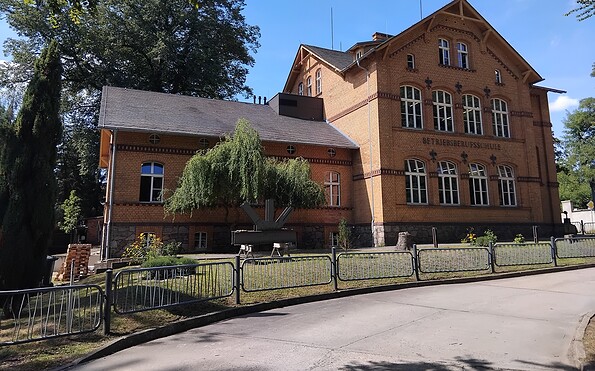
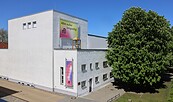
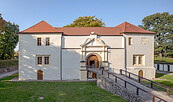
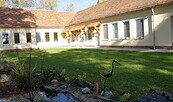
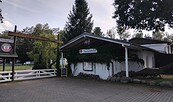
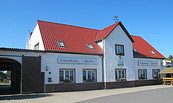
  • Exterior view of the Kunstgussmuseum in the old bronze school, Foto: Kunstgussmuseum Lauchhammer, Lizenz: Kunstgussmuseum Lauchhammer
The Lauchhammer Art Casting Museum guards a treasure. It is a historic collection of models, containing about 2,800 reliefs and models made from plaster and metal. There is nothing like it anywhere in Germany. This unique collection, which is under monument protection, is housed in a former school building next to the foundry, which still operates. Alongside the models, the museum also presents the products: A huge range of iron and bronze images, pottery wares, furniture, medals and everyday objects provide a details picture of the art, crafts and technology of the time.

The history of the foundry dates back almost 300 years and starts with an unusual woman: Baroness Benedicta Margareta von Löwendal (1683–1776), the first owner of the factory. A noblewoman who founds an iron foundry? This was unprecedented during the Baroque age! It all started in what had always been a completely insignificant corner of the Niederlausitz region. The "Sun King" of Saxony, the Elector Augustus the Strong, granted permission for the project himself. The fire was lit in the blast furnace in 1725. It marked the moment when Lauchhammer was born as an industrial region.

The Baroness is considered to be the region’s first businesswoman. She had the bog iron ore from her own estates turned into stove plates, firebacks and iron utensils. Benedicta Margareta ran the business for half a century, well into old age. After her death, Count Detlev Carl von Einsiedel (1737-1810) took over. His addition was what soon made the foundry world famous: art casting.

1784 saw a sensational achievement in Lauchhammer: the production of life-sized hollow iron figures. No other foundry in the world had managed this before. In the 19th century, the factory gradually became internationally famous for its high-quality monumental statues and busts, for bells and artistic castings for buildings: cast iron and bronze columns, railings, candelabra, bridges and portals from Lauchhammer still adorn town centres and buildings all over the world today. The bell in Berlin Cathedral, the statue of General Steuben in Potsdam, the animal sculptures in the zoo in Berlin and many of the bronze monumental sculptures of the GDR were made in Lauchhammer.

But the foundry is not just something of the past in Lauchhammer. It is still alive today. Almost 300 years after the lighting of the first blast furnace, metal is still being cast here. And this process that combines craftsmanship and technology is still fascinating. 

Tips:

After pre-booking in the Museum, interested visitors can visit the adjoining foundry – and, with a bit of luck, be there when a new work of art is created from bronze that is over 1000 degrees Celsius.

For cyclists:

The “Art Casting Museum Lauchhammer” is on the following cycle paths: "Lower Lusatian Mining Tour" und  "Coal, Wind and Water Tour"
aufklappeneinklappen
Lauchhammer was once considered to be a "place of pilgrimage for art technology" and the casters here were thought to be the best in the world. With its beautiful exhibits, the Lauchhammer Art Casting Museum takes visitors into a glorious, little known chapter in the story of the industrial culture of Lausitz.
aufklappeneinklappen
  • Show depot Kunstgussmuseum, Foto:  Stiftung Kunstgussmuseum/Jens Horn, Lizenz: Kunstgussmuseum Lauchhammer
  • View of the construction and utility casting showroom, Foto: Kunstgussmuseum Lauchhammer, Lizenz: Kunstgussmuseum Lauchhammer
  • Iron casting of a steel caster in front of the museum, sculptor: Reinhold/Löhner, Foto: Kunstgussmuseum Lauchhammer, Lizenz: Kunstgussmuseum Lauchhammer
  • View of the listed model collection in the museum, Foto: Kunstgussmuseum Lauchhammer, Lizenz: Kunstgussmuseum Lauchhammer
  • Bronze cast of the reunion, sculptor Ferdinand Lepcke, Foto: Kunstgussmuseum Lauchhammer, Lizenz: Kunstgussmuseum Lauchhammer
  • Casting demonstration in the Lauchhammer art foundry, Foto: Kunstgussmuseum Lauchhammer, Lizenz: Kunstgussmuseum Lauchhammer
  • Stoves and pots from the Lauchhammer art foundry, Foto: Kunstgussmuseum Lauchhammer, Lizenz: Kunstgussmuseum Lauchhammer
  • Exterior view of the Kunstgussmuseum in the old bronze school, Foto: Kunstgussmuseum Lauchhammer, Lizenz: Kunstgussmuseum Lauchhammer
The Lauchhammer Art Casting Museum guards a treasure. It is a historic collection of models, containing about 2,800 reliefs and models made from plaster and metal. There is nothing like it anywhere in Germany. This unique collection, which is under monument protection, is housed in a former school building next to the foundry, which still operates. Alongside the models, the museum also presents the products: A huge range of iron and bronze images, pottery wares, furniture, medals and everyday objects provide a details picture of the art, crafts and technology of the time.

The history of the foundry dates back almost 300 years and starts with an unusual woman: Baroness Benedicta Margareta von Löwendal (1683–1776), the first owner of the factory. A noblewoman who founds an iron foundry? This was unprecedented during the Baroque age! It all started in what had always been a completely insignificant corner of the Niederlausitz region. The "Sun King" of Saxony, the Elector Augustus the Strong, granted permission for the project himself. The fire was lit in the blast furnace in 1725. It marked the moment when Lauchhammer was born as an industrial region.

The Baroness is considered to be the region’s first businesswoman. She had the bog iron ore from her own estates turned into stove plates, firebacks and iron utensils. Benedicta Margareta ran the business for half a century, well into old age. After her death, Count Detlev Carl von Einsiedel (1737-1810) took over. His addition was what soon made the foundry world famous: art casting.

1784 saw a sensational achievement in Lauchhammer: the production of life-sized hollow iron figures. No other foundry in the world had managed this before. In the 19th century, the factory gradually became internationally famous for its high-quality monumental statues and busts, for bells and artistic castings for buildings: cast iron and bronze columns, railings, candelabra, bridges and portals from Lauchhammer still adorn town centres and buildings all over the world today. The bell in Berlin Cathedral, the statue of General Steuben in Potsdam, the animal sculptures in the zoo in Berlin and many of the bronze monumental sculptures of the GDR were made in Lauchhammer.

But the foundry is not just something of the past in Lauchhammer. It is still alive today. Almost 300 years after the lighting of the first blast furnace, metal is still being cast here. And this process that combines craftsmanship and technology is still fascinating. 

Tips:

After pre-booking in the Museum, interested visitors can visit the adjoining foundry – and, with a bit of luck, be there when a new work of art is created from bronze that is over 1000 degrees Celsius.

For cyclists:

The “Art Casting Museum Lauchhammer” is on the following cycle paths: "Lower Lusatian Mining Tour" und  "Coal, Wind and Water Tour"
aufklappeneinklappen

Anreiseplaner

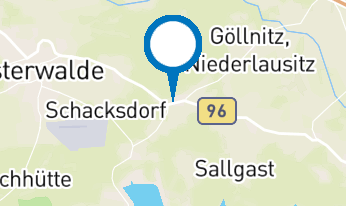
Freifrau-von-Löwendal-Straße 3

01979 Lauchhammer-Ost

Wetter Heute, 17. 8.

16 17
Leichter Regen

  • Dienstag
    14 20
  • Mittwoch
    14 18

Touristinfo

Tourismusverband Lausitzer Seenland e.V.

Am Stadthafen 2
01968 Senftenberg

Tel.: 03573-725300-0
Fax: 03573-725300-9

Wetter Heute, 17. 8.

16 17
Leichter Regen

  • Dienstag
    14 20
  • Mittwoch
    14 18

Alle Informationen, Zeiten und Preise werden regelmäßig geprüft und aktualisiert. Trotzdem können wir für die Richtigkeit der Daten keine Gewähr übernehmen. Wir empfehlen Ihnen, vor Ihrem Besuch telefonisch / per E-Mail oder über die Internetseiten des Anbieters den aktuellen Stand zu erfragen.

Anruf bei der TMB Urlaubshotline unter 0331-200 47 47 (+49) 0331 2004747 Wir sind telefonisch für dich da: werktags Mo-Fr 9-13 Uhr und am 31.10. 10-13 Uhr.

Vielen Dank für deinen Besuch auf www.reiseland-brandenburg.de

Diese Webseite wurde auf dem technisch aktuellsten Stand entwickelt. Leider benutzt du einen Browser, der nicht den technischen Anforderungen entspricht.

Wir bitten dich daher einen alternativen Browser (z.B. Google Chrome, Firefox oder Edge) zu verwenden und wünschen dir weiterhin viel Spaß auf unserer Webseite.

Logo www.reiseland-brandenburg.de